
Magic wands are more than fantasy props. Across ancient ritual, myth, medieval magic texts, stage performance, and modern fandom, they have represented focus, authority, protection, creativity, and the mysterious link between intention and action. Today, that same idea has taken a surprisingly practical form: a glow-in-the-dark, star-shaped magic wand that holds your payment card and lets you tap to pay at any contactless terminal.
This article traces how magic and wands became so closely connected, why different materials mattered, why the star shape carries centuries of meaning, and how today’s handcrafted keepsakes — and even payment wands — still echo a very old idea. Whether you collect wands, dress up for conventions, want to know more about the magic wand before you buy one, or simply want to make your morning coffee run feel a little more magical, the story below explains where the magic wand really comes from.
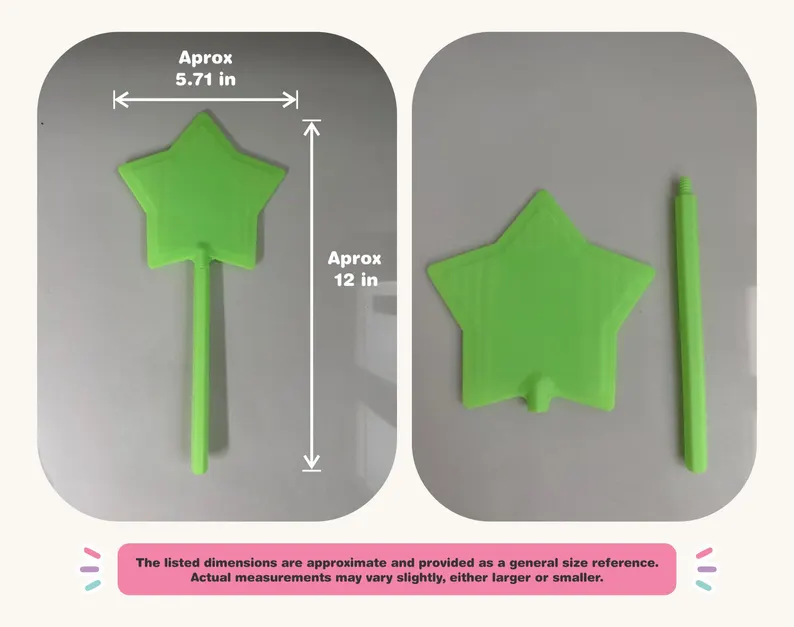
Table of Contents
- Light Up Toys: Fiber Sticks, Wands, Fans & Pens Guide 2026
- LED Light Up Wand Stick vs LED Wristbands: Which is Right for Your Event?
- Frequently Asked Questions
Where Did Magic Wands Come From?
Magic wands appear to have grown from ritual tools used to direct power, mark sacred space, bless, protect, heal, or command attention. Long before the modern image of a wizard waving a slim wooden wand, cultures across the ancient world used staffs, rods, carved objects, and ceremonial implements to symbolize authority over unseen forces. The wand became powerful because it made an invisible act visible: a gesture, a command, a blessing, or a transformation.
In ancient Egypt, curved ivory wands from roughly the Middle Kingdom period were associated with protection and healing, especially around birth and vulnerable moments. These objects were often decorated with protective beings, suggesting that the wand was not just a tool but a boundary-maker between safety and danger. A person holding such an object was not simply “casting a spell” in the modern sense; they were participating in a ritual language understood by their community. Historians of the magic wand note that this protective role appears again and again across cultures.
Greek literature also helped shape the idea. In The Iliad, Hermes carries a wand-like staff with the power to enchant or awaken. That image matters because it connects the wand to divine authority, movement between worlds, and control over sleep, perception, and transition. From the beginning, then, wands were rarely random sticks. They were symbols of focused agency — an idea that still defines how we think about the magic wand today.
From Sacred Object to Storytelling Symbol
As stories traveled, wand-like objects became shorthand for command. A king might hold a scepter, a shepherd might carry a staff, a priest might use a ritual rod, and a magician might wield a wand. Each object suggested that the holder had a role, a power, or permission to act.
This is one reason the boundary between wand, rod, staff, and scepter is not always clean. A staff is usually longer and more practical for walking or public ceremony. A scepter often signals political rule. A wand tends to feel more intimate, more precise, and more closely tied to magic. Yet all of them belong to the same family of symbolic tools: handheld objects that extend the reach of the body and make authority visible. For all their variety, the magic wand remains the most personal of these objects — small enough for a pocket, precise enough for a single gesture.
In Old Norse tradition, the word “gandr” could refer to a magic staff or wand, and its echo is often noted in the name Gandalf, the wizard made famous by Tolkien. Whether in myth or modern fantasy, the pattern is easy to recognize. The magical figure carries an object that is both personal and public. It tells everyone, “This person can work with forces other people cannot.”
Why the Star? The Pentagram in Magic
If you are holding a star-shaped magic wand, you are holding one of the oldest magical symbols in the world. The five-pointed star, or pentagram, has appeared in art and ritual for thousands of years. In the ancient world it was used as a protective mark on amulets, pottery, and doorways — a way of drawing a boundary that harm should not cross.
By the medieval period, the pentagram had become a regular feature of magical practice and symbolism. It appeared in grimoires and folk charms as a diagram of protection, balance, and the connection between the earthly and the divine. The pentagram’s long history runs from ancient Mesopotamia through Greek philosophy, medieval magic, and into modern popular culture, where it is instantly read as a “magic” symbol.
That heritage is why a star-topped magic wand feels right even to people who know nothing about medieval symbolism. The star on top is not decoration for its own sake. It carries centuries of meaning about protection, power, and the meeting point between worlds. When a star magic wand also glows in the dark, it adds a second layer of wonder: light appearing from darkness has always been one of the most universal images of magic.
Why Did Wand Materials Matter?
Wand materials mattered because people believed natural substances carried distinct qualities, and the magic wand is one of the clearest examples of that belief. Wood, bone, ivory, metal, crystal, and carved symbols could all change how a wand was understood. A hazel wand, for example, might be treated differently from one made of another wood because medieval and early modern traditions often assigned special virtues to trees, herbs, stones, and metals.
Medieval grimoires and magical instructions sometimes distinguished between wands and staffs and prescribed particular materials, shapes, or methods of preparation. The point was not only appearance. A carefully chosen material suggested that the object had been made with intention. The maker, the wood, the timing, and the ritual use all became part of the wand’s identity.
That idea still influences modern wand collecting and crafting — and it now includes high-tech materials. A mass-produced plastic accessory can be fun, recognizable, and affordable as a costume piece. A handmade wooden wand may feel different because it has grain, balance, weight, and small variations that make it individual. And a glow-in-the-dark magic wand uses photoluminescent material, which absorbs light during the day and releases a soft glow in the dark — a modern material doing an ancient job: making invisible power visible.
A useful way to think about wand materials today is to ask what kind of meaning you want the object to carry:
- Wood often feels traditional, warm, and connected to nature.
- Metal can suggest durability, ceremony, or a more ornate display piece.
- Resin or plastic works well for replicas, cosplay, and highly detailed molded designs.
- Photoluminescent glow material adds night visibility and a theatrical “magic” effect.
- Crystal accents may appeal to people who like symbolic, decorative, or spiritual aesthetics.
- Carved patterns can make a wand feel personal, especially when they reference vines, stars, runes, animals, or protective motifs.
The material does not need to be expensive to be meaningful. What matters most is whether the wand feels intentional rather than generic. Whether you choose a traditional wooden wand or a modern glow magic wand that lights up and pays your way, the same rule applies: the object becomes magical when it is chosen with care.
Wands in Medieval Magic and Folklore
By the medieval period, the magic wand had become a familiar part of magical imagination. Learned magical texts, folk practices, religious symbolism, and oral storytelling all contributed to the object’s reputation. In some traditions, the wand was used to trace circles, command spirits, point toward hidden things, or focus the practitioner’s will.
Folklore also made room for the wand as a tool of sudden change. A touch could transform a person, open a passage, reveal treasure, or break an enchantment. These stories helped create the “wand logic” still found in fairy tales: the wand is a small object with outsized consequences. It compresses power into a gesture.
That compactness is part of its appeal. A staff is imposing. A sword is violent. A book is intellectual. A wand is portable, graceful, and theatrical. It lets magic feel immediate. The flick of the wrist becomes a story event — and today, a tap of the wand can even become a payment.
How Did Modern Fantasy Change the Magic Wand?
Modern fantasy turned the magic wand into a personal identity object. Instead of being only a ritual tool, it became something that reflects the user’s character, training, lineage, or style of magic. In books, films, games, and theme parks, the wand often works like a signature: no two important characters need to have exactly the same one.
This shift made wands more emotionally engaging. Readers and viewers are not only asking what spell a wand can cast. They are asking why that wand belongs to that person. Is it elegant or rough? Dark or bright? Flexible or rigid? Plain or ornate? The wand becomes a compact biography.
Popular culture also made wands collectible. Fans may want replicas from favorite stories, handmade pieces inspired by folklore, or custom designs that feel like they could belong to their own imagined magical world. That is where modern shopping interest overlaps with historical curiosity. Someone might start by searching for a costume wand, but the deeper question is often, “Which wand will feel special enough to remember?” The star-shaped payment wand answers that question in a new way: it is a wand you can carry every day and use in the real world.
The Modern Magic Wand: From Costume Prop to Tap-to-Pay
The most surprising chapter in the history of the magic wand began in 2026, when the wand left the costume box and entered the checkout line. Near-field communication (NFC) — the same short-range wireless technology behind contactless cards and mobile wallets — makes it possible to pay simply by tapping a device near a reader. According to network data cited by Stripe, contactless payments now account for more than 75% of transactions globally, so tap-to-pay is no longer a novelty. It is the default way millions of people pay every day — and a payment magic wand turns that everyday moment into something fun.
The idea of a magic wand that actually pays caught on immediately. In June 2026, Cash App launched a $25 star-topped NFC wand that links to its payment card, and all 10,000 units sold out within hours — a viral moment widely covered by tech press, including this report on the Cash App wand. Independent makers followed with their own versions: a “credit card wand” that holds a contactless card inside a star topper, so you tap the star itself to pay.
A glow-in-the-dark star payment wand combines all of these threads:
- Tap-to-pay convenience. Slide any contactless debit or credit card into the star-shaped holder, then tap the wand at any contactless reader — coffee shops, supermarkets, transit gates, parking meters. The tap works exactly like tapping the card itself, because NFC only needs the chip to be near the reader.
- A real magic wand design. The five-pointed star carries thousands of years of protective symbolism, and the wand handle gives the payment a theatrical flourish that a plain card never will.
- Glow-in-the-dark visibility. Photoluminescent material absorbs light during the day and glows softly at night, so your wand is easy to find in a dark bag and looks genuinely magical after sunset.
- A daily conversation starter. People will notice a wand at the checkout counter. For gift-givers, it turns an everyday accessory into something memorable.
Is it secure? Yes — for the same reasons contactless cards are secure. NFC works over a distance of only a few centimeters, so the magic wand must be physically close to the reader to complete a payment. You still keep your card inside the wand, and standard contactless limits and security protections apply. The wand adds fun; it does not change the underlying safety of the payment.
For a wand that works with any contactless card and glows in the dark, browse our magic wand — and for the full collection, see our magic wands category.
The Glow Wand: Fiber Optic Magic for Parties and Branding
There is another modern branch of magic wand history worth knowing: the glowing wand. While the payment wand brings magic into the checkout line, the fiber optic glow wand brings magic to the party. A fiber optic wand is a lightweight rod whose tip blooms into a cascade of glowing strands — light travels through thousands of fine fibers and shines at the ends, creating a soft, colorful, almost magical plume that moves as you wave it.
Fiber optic glow wands have become a staple of evening celebrations: concerts and festivals, nightclub events, New Year’s Eve parties, weddings and anniversaries, Halloween and costume nights, and kids’ birthday parties. They work beautifully in low light, they are safe to wave in a crowd — no heat, no sparks, no glass — and they photograph spectacularly, which is why they show up at so many events and in so many social media posts.
Glow wands are also a favorite tool for brands. Because the wand body and the handle can be printed, companies order custom fiber optic wands with their logo for product launches, corporate parties, trade shows, college orientation events, sports fan nights, and promotional campaigns. A branded glow wand turns a giveaway into a walking light show: every person waving it becomes a small, moving advertisement — and a happy one at that. For event planners, a custom logo glow wand doubles as both entertainment and marketing in a single item.
For the magic wand collector, the glow wand matters for a different reason. It continues the oldest tradition in this history: making invisible power visible. A fiber optic wand has no spells inside it, but when it lights up in your hand at midnight, it feels exactly like the fairy godmother’s wand stepped out of the storybook and into the real world — even if you already own a payment magic wand, a glow wand adds a different kind of magic to the collection.
Add a custom fiber optic glow wand to your next event, or order branded glow wands with your logo for your next campaign.

Famous Wand Examples That Shaped the Idea
The history of the magic wand is easier to understand through examples. Some are ancient, some are mythic, and some are fictional, but each shows a different way people have imagined power in the hand.
- Egyptian protective wands: These show the wand as a guardian object, especially tied to protection, healing, and ritual safety.
- Hermes’ wand or staff: This connects the wand to divine movement, enchantment, sleep, awakening, and passage between realms.
- Medieval hazel wands: These reflect the belief that specific woods could carry particular magical qualities.
- Norse magical staffs: These show how staff and wand traditions overlapped in Northern European imagination.
- Fairy godmother wands: These made the wand a symbol of blessing, transformation, and sudden reversal of fortune.
- Wizard wands in modern fantasy: These made the wand personal, collectible, and central to magical identity.
- NFC payment wands: The newest example — a star-shaped, glow-in-the-dark magic wand that turns tap-to-pay into a small ritual. Magic and utility in one object.
- Fiber optic glow wands: The party example — light made visible in your hand, from festivals and nightclubs to branded corporate events with custom logos.
Together, these examples reveal a long pattern. The wand is rarely powerful only because of what it is made from. It becomes powerful through story, ritual, ownership, and use.
The Difference Between a Prop, a Replica, and a Meaningful Wand
Not every wand is meant to do the same job. A costume prop may be perfect for a party, a child’s dress-up box, or a quick themed event. A replica may be designed to resemble a famous fictional wand as closely as possible. A meaningful wand, whether handmade or personally chosen, is usually valued because it feels connected to the owner’s taste, memory, or imagination. And a functional magic wand — like a payment wand — adds everyday usefulness to the symbolism.
If you are choosing a wand as a gift or keepsake, it helps to look beyond the label. A generic “wand wand” search might show hundreds of similar results, but the best choice often depends on the recipient. Someone who loves theatrical detail may prefer a recognizable fantasy replica. Someone drawn to folklore may appreciate natural wood, carving, and a simpler shape. Someone who wants magic in daily life may love a star payment wand that glows in the dark and taps to pay.
Here is a practical checklist for choosing a wand that feels less disposable:
- Consider the purpose. Is it for display, cosplay, play, ritual symbolism, collecting, daily use, or a themed trip?
- Look at the material. Wood, resin, plastic, glow material, and metal all create different weight, texture, and durability.
- Notice the balance. A wand that feels good in the hand often feels more personal.
- Choose symbolism carefully. Stars, vines, animals, moons, runes, and color choices can change the mood.
- Think about longevity. A delicate decorative wand may not suit rough play, while a sturdy prop may not look refined on display.
- Let the story matter. The best wand is often the one with a memory — or a daily habit — attached to it.
This is why magic and wands remain so tightly linked. The wand gives imagination something to hold.
Why Wands Still Captivate Us
Wands continue to fascinate people because they make creativity feel physical. They turn a wish, spell, command, or blessing into a visible action. Even when no one believes the object has literal supernatural power, the gesture can still feel meaningful.
There is also a democratic quality to the wand. A crown belongs to a ruler. A sword belongs to a warrior. A wand can belong to a child, a storyteller, a collector, a performer, a fan, or a maker. It invites play without needing explanation — and a payment wand invites that same play into the most ordinary moment of the day: paying for something.
The modern wand also connects nostalgia with craftsmanship. For some people, it recalls fairy tales and childhood wonder. For others, it is a beautiful handmade object, a display piece, or a souvenir from a memorable trip. In every case, the wand works because it carries both simplicity and mystery.
Frequently Asked Questions
How do I pay with a magic wand?
Slide any contactless debit or credit card into the star-shaped holder, then tap the star against a contactless payment reader. The magic wand uses NFC, the same technology as contactless cards, so the terminal reads the card through the wand exactly as if you tapped the card itself.
Will a glow-in-the-dark magic wand work with any contactless card?
Yes. Because the wand simply holds your existing card near the reader, it works with any contactless debit or credit card, phone-linked cards, transit cards, and most tap-to-pay systems that accept contactless payments.
Is it safe to tap a magic wand at checkout?
Yes. NFC payments work over a distance of only a few centimeters, so the magic wand must be physically close to the terminal to complete a transaction. Your card stays protected inside the wand, and all standard contactless security limits and protections still apply.
Can I use a star payment wand as a costume accessory too?
Absolutely. The glow-in-the-dark star wand works as a magical prop for Halloween, cosplay, parties, and photoshoots, then doubles as a payment accessory for everyday use — one wand, two roles.
How long does the glow last?
Photoluminescent material absorbs light during the day (natural or indoor light) and releases a soft glow in the dark for hours. The more light the wand absorbs, the longer and brighter it glows.
Can I customize a glow wand with my company logo?
Yes. Fiber optic glow wands are available with printed logos on the handle or shaft for corporate events, product launches, trade shows, and promotional campaigns. Minimum order quantities and lead times vary, so contact us for a custom quote.
Final Thoughts
The magic wand has traveled a remarkable path: from ancient protective tools and divine staffs to medieval instructions, folklore transformations, stage magic, fantasy novels, and now the checkout counter. Its form has changed, but its core meaning has stayed surprisingly steady. A wand focuses attention, marks intention, and turns imagination into gesture.
That is why the history matters. Understanding where wands come from makes modern replicas, handmade pieces, and even payment wands feel richer than simple merchandise. Whether carved from wood, molded for a costume, or shaped as a glowing star that taps to pay, a magic wand remains a small object with a long cultural memory — and now, a little daily magic too. If you would like to add that magic to your pocket, contact us for wholesale, custom branding, and bulk orders of glow-in-the-dark star payment wands.

